
The Art of the Autobiography: A Guide to Writing Your Life Story

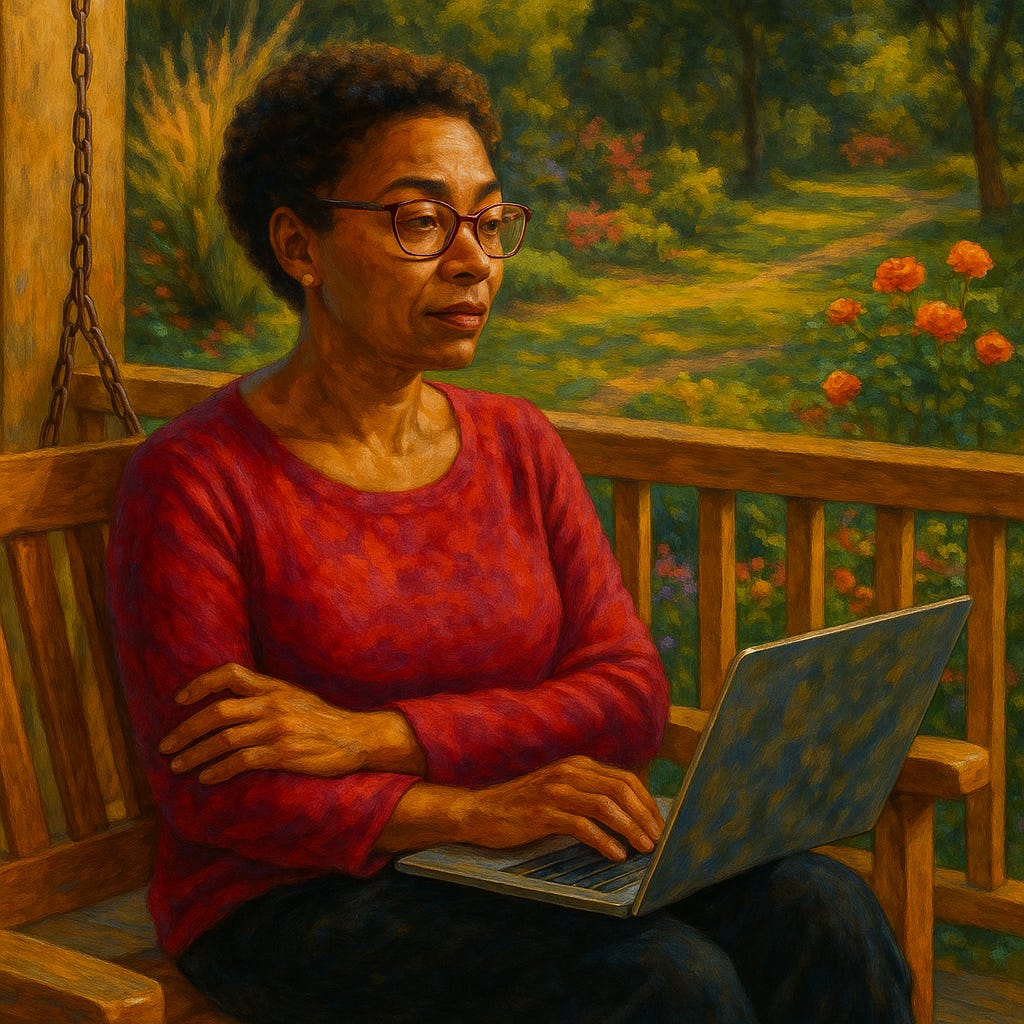
Have you ever felt the urge to share your life story? To preserve your experiences, wisdom, and legacy for future generations—or to make sense of your journey? Writing an autobiography is one of the most captivating ways to do just that. Whether you’re an artist, entrepreneur, teacher, or traveller, your life is full of valuable stories worth telling.
But where do you start? How do you transform memories into a compelling narrative?
Here’s a step-by-step guide to help you craft an autobiography that resonates with readers while staying true to your voice.
1. Know Your Why
Before you write a single word, ask yourself: Why do I want to write my autobiography?
Is it to:
Preserve your legacy for your family?
Share lessons learned from unique or challenging experiences?
Inspire others with your resilience or achievements?
Heal through self-reflection?
By understanding your purpose, you’ll be guided in every decision you make—from the tone and structure to which stories you choose to include.
2. Define Your Audience
Who do you want to read your story?
Is it for your grandchildren?
A niche community (survivors, creatives, travellers)?
A broader public readership?
Knowing your audience helps shape how you write—how much context you need to provide, how personal you should be, and what tone you use. A conversational, intimate tone may work well for family, while a more structured, thematic approach may suit a wider audience.
3. Choose a Structure That Works
An autobiography doesn’t have to be a chronological list of events from birth to the present. Consider these structures:
Chronological: Traditional, starting with childhood and moving through the years.
Thematic: Focuses on specific themes or aspects of your life (e.g., “Overcoming Adversity,” “My Life in Music”).
Memoir-style: Centers on a particular period, event, or relationship, offering deep insight into a slice of your life.
Hybrid: Mixes elements of all the above.
Pick a structure that best showcases your story and aligns with your goals.
4. Mine Your Memories
Start gathering material by brainstorming life events and turning points. Think about:
Childhood memories
Family dynamics
Career milestones
Romantic relationships
Adventures and travels
Setbacks and triumphs
Life lessons
Jot down moments that made you laugh, cry, grow, or change. Use photos, letters, journals, and conversations with loved ones to jog your memory.
Tip: Don’t worry about writing in order—capture scenes as they come to you, then organize them later.
5. Find Your Voice
Your voice is what makes your autobiography yours. Write the way you speak, as though you’re telling your story to a trusted friend. Honesty and vulnerability are key.
Avoid trying to sound “literary” or polished at first—write from the heart. You can always revise for flow and clarity later.
Don’t shy away from emotion. Readers connect most with authentic, flawed human stories.
6. Focus on Storytelling, Not Just Facts
Your autobiography should read like a story, not a resume. That means:
Showing, not just telling
Including dialogue, sensory detail, and vivid descriptions
Creating scenes that pull readers into the moment
Instead of writing, “I was very sad after the divorce,” bring us into the room with you. Let us see the tears, hear the silence, feel the ache. Storytelling builds empathy and engagement.
7. Be Selective and Respectful
You don’t need to include everything that ever happened to you. Focus on what serves the story and your goals.
Also, remember that your life story may include the lives of others. Reflect on how you portray others, particularly in sensitive or contentious situations. You may need to change names, seek permission, or reflect carefully before publishing specific details.
8. Edit Ruthlessly
Once your draft is complete, the real magic happens in revision. Read with fresh eyes:
Does the story flow logically?
Are the themes clear and consistent?
Is the tone engaging and honest?
Have you shown vulnerability and growth?
Cut what doesn’t serve the story, strengthen weak scenes, and add detail where needed. Ask trusted readers—or a professional editor—for feedback.
9. Decide How to Publish
Do you want to publish your autobiography for the world or just your family?
Options include:
Traditional publishing: Competitive but offers professional editing, design, and distribution.
Self-publishing: Offers complete control and quicker timelines.
Private printing: Great for family keepsakes or limited distribution.
Each path has pros and cons—choose the one that fits your goals and resources.
10. Leave a Legacy
Writing your autobiography is an act of courage and creativity. It allows you to reflect on your journey, connect with others, and leave a meaningful legacy.
Remember: your life doesn’t have to be “extraordinary” to be worth sharing. The ordinary moments, told with honesty and heart, often resonate most deeply.
So, grab a notebook or open a new document. Begin with a single memory. Let the words flow.
The world is waiting to hear your story.
Need help getting started? At Bodacious Copy, I specialize in helping authors bring their stories to life through expert manuscript review and editing. Whether you need a line editor or just a nudge in the right direction, I’m here to support your writing journey.
Thanks for this post, Christine! I've toyed with the idea of writing (& many people have encouraged me) to write a memoir/history of my time as an indie musician in Vancouver in the 1990's. Will I ever get to it? I'm not sure! But, this post will definitely be a reference for me if and when that day comes. xo